The Merchant Shipping (Vessels in Commercial Use for Sport or Pleasure) Regulations 2025 were laid before Parliament on 20 November 2025, with application phased in from 12 December 2025. The changes will affect a wide range of vessels commonly used for charter, training, racing support, and passenger operations, including popular models from builders such as Princess, Sunseeker, Beneteau, and Sunreef.
The regulations give legal effect to the new Sport or Pleasure Vessel Code and are intended to modernize standards across the commercial leisure sector, covering vessels ranging from sailing yachts and race support craft to high-speed passenger boats. According to the MCA, the new framework prioritizes safety, clarity, and support for modern vessel technology.
Phased Introduction Limits Disruption
The new rules will not apply to the entire fleet at once. From 12 December 2025, they will initially apply only to new vessels entering certification for the first time, including newly delivered motor yachts such as the Princess V50 when placed into commercial service. Existing vessels will move onto the new regime as their current certificates come up for renewal, or within three years, whichever period is longer.
Some assessment standards used under previous codes will continue to be accepted, providing continuity for operators and reducing the need for immediate modifications across the existing fleet.
How the New Regulatory Structure Works
The 2025 Regulations underpin two aligned codes of practice. The new Sport or Pleasure Vessel Code applies to vessels under 24 meters load line length, while superyachts of 24 meters and above remain regulated under Part A of the REG Yacht Code.
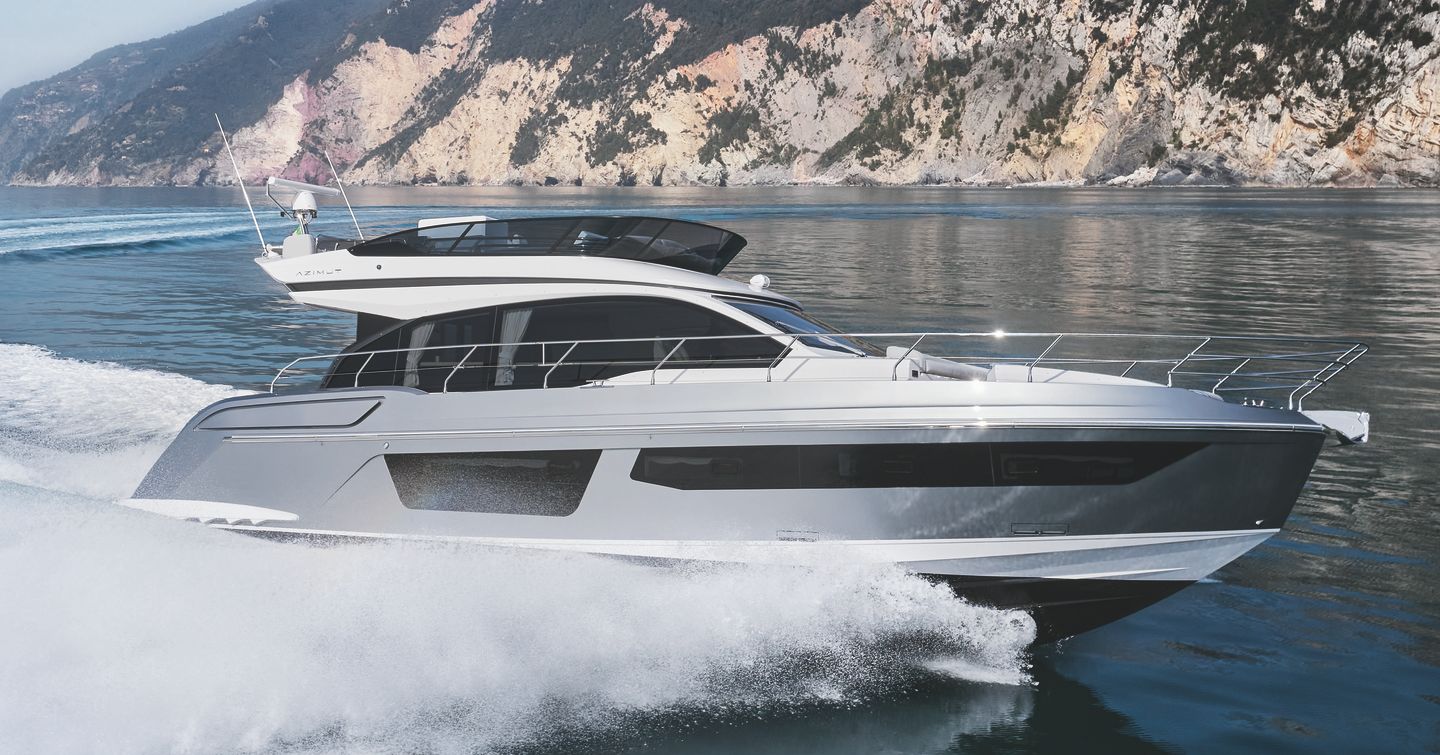
This distinction reflects how the market operates in practice. Sub-24m yachts commonly used for charter, instruction, or sightseeing - including models like the Azimut Fly 53, Princess V53, or Sunseeker Predator 50 - fall squarely within the updated Code, while larger charter yachts continue under the existing large yacht framework.
The MCA says this structure better reflects the diversity of today’s commercial leisure vessels, many of which operate in roles not anticipated when the original Color Codes and MGN 280 were introduced.
Safety Improvements and Technical Clarity
A key element of the update is the formal response to safety recommendations issued by the Marine Accident Investigation Branch, including those following fatal incidents. The MCA says these findings have been directly addressed in the revised regulatory framework.
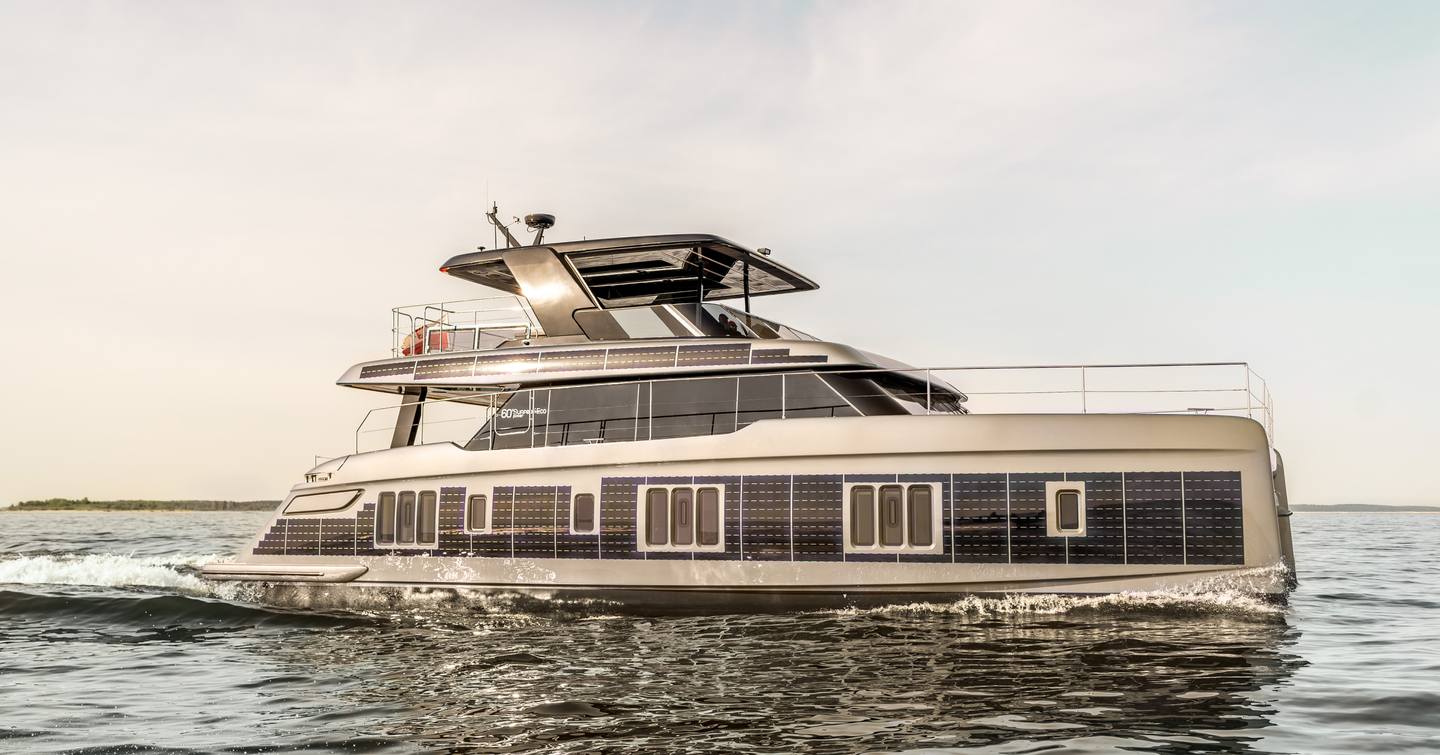
The new code also introduces clearer provisions for vessels using alternative fuels and propulsion systems, giving operators a defined regulatory pathway for emerging technologies. This is particularly relevant for electric and hybrid platforms such as the Sialia 45 Sport and the Sialia 59 Sport, as well as Sunreef’s hybrid and solar-assisted models, including the Sunreef 55 Ultima and Sunreef 60 Power Eco, which are increasingly being positioned for commercial leisure and charter use. By setting clearer approval and survey requirements, the framework supports wider efforts to reduce emissions while maintaining consistent safety standards across the sector.
Rob Taylor, MCA Code Vessel Lead, noted that "these pragmatic changes recognise the development of standards and the significant shift in use of technology and the growing variety of craft and activities in the commercial sector."
Two Years of Industry Input
The revised regulations follow more than two years of engagement between the MCA and industry bodies, including working groups, a public consultation, and a stakeholder conference. Industry representatives have broadly welcomed the new framework, noting its focus on practical compliance and proportionate safety standards.
This Code reflects over two years of extensive collaboration between the MCA, British Marine and a wide range of industry stakeholders through dedicated working groups, ensuring that the final framework is both practical and proportionate."
CEO
British Marine
MCA officials have described the update as long overdue, pointing to significant changes in vessel design, use, and technology since the original codes were introduced.
New Sport or Pleasure Vessel Code Key Points
- The new Sport or Pleasure Vessel Code updates safety and certification rules for small commercial leisure vessels, replacing the long-standing Color Codes.
- The changes apply to commercially operated vessels carrying up to 12 passengers and operating at sea, with the new Code covering vessels under 24m load line length.
- The regulations are phased in from 12 December 2025, initially applying only to new vessels entering certification for the first time.
- Existing vessels transition gradually, moving onto the new framework at certificate renewal or within three years, with some legacy standards still accepted.
- The new regulations also introduce clearer support for modern vessel technology, including alternative fuels and propulsion systems.
What the New SPVC Means for Owners and Operators
If you are commissioning a new commercial vessel or motor yacht for sport or pleasure after 12 December 2025, it will need to be certified under the new code. Existing vessels can continue operating under their current certificates and will only transition when those certificates are renewed, or within three years. For most owners, this means no immediate changes, but new builds and future renewals will fall under the updated framework.
Taken together, the new regulations set a clearer and more consistent baseline for the commercial sport and pleasure sector, aligning safety oversight with how vessels are actually designed and used today. For owners and operators, the phased rollout provides time to adapt, while new builds move immediately onto a framework shaped around modern technology, evolving operations, and hard-learned safety lessons.
Interested in owning a boat? View all new and used boats for sale, tracked in real-time by YachtBuyer MarketWatch. We scan the entire market to surface genuine listings, saving you time. Alternatively, you can view all other yachts for sale.