
-
Mk1YEARS2009 - 2012BUILT65
-
Mk2YEARSfrom 2021BUILT160
Azimut Fly 53 Yachts For Sale
View a wide selection of new and used Azimut Fly 53 yachts for sale near you and worldwide on YachtBuyer. Explore detailed listings, specifications, and photos to compare available Fly 53s and find your next Azimut with confidence and minimal hassle.
This beautiful, 30-knot, flybridge yacht is focused on Owner-operation and conceals a fresh three-cabin interior that perfectly suits the Alberto Mancini design.
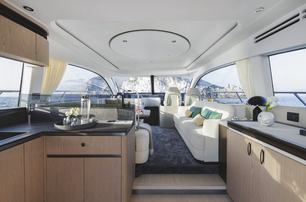
The Azimut 53 Fly builds on that balance of style and function with a hull made for comfort, light, and easy control. It feels open and connected on every level, with wide glass, low noise, and a layout that keeps family and guests together rather than apart.
Azimut 53 Fly Buyer's Guide
If you’re looking for an Azimut 53 Fly for sale, the model remains in full production and gives buyers a choice between commissioning a new build or choosing a well-kept pre-owned yacht from the same line. This guide explains how those options work in practice and how the design and ownership details define its long-term value and appeal.
- Why Buy an Azimut Fly 53?
- Who Buys an Azimut Fly 53?
- Two Generations of the Azimut Fly 53
- Buying a New vs Used Azimut Fly 53
- Performance & Engines
- Azimut Fly 53 Ownership & Running Costs
- Crewing & Operating a Azimut Fly 53
- Insuring & Registering your Azimut Fly 53
- Azimut Fly 53 Yachts for Sale: Market Prices
- Rivals & the Successor to the Azimut Fly 53
- Working with a Buyer's Broker
- Buy Smarter with YachtBuyer
Why Buy an Azimut Fly 53?
The Azimut 53 Fly holds its place as one of the most balanced yachts in the 17m (55ft) class. It gives owners strong build quality, quiet handling, and a modern layout that fits how people cruise today. Still in production, it appeals to buyers choosing between a new build and a pre-owned example of the same line, each offering the same mix of space, light, and easy running.
Design and Living
- The Alberto Mancini exterior and Azimut Style Office interior bring more volume and glass than older 53-footers, making the boat feel open and bright without losing balance.
- The galley-aft layout links the cockpit, kitchen, and salon into one social space, designed for family life and long stays on board.
- Below, the full-beam master cabin with walk-in wardrobe and the roomy forward VIP show how the IPS layout frees real living space.
Build and Technology
- The hull and deck use vacuum-infused GRP with carbon fibre in the upper structures to keep weight low and stability high, giving a calm motion even in a lively sea.
- Azimut’s “Carbon Game Changer” build method allows large windows and a high flybridge without upsetting the yacht’s trim or comfort.
- Systems are neatly installed and easy to reach, with reliable electrical and plumbing standards proven across the wider Azimut range.
Handling and Ownership
- The Volvo Penta IPS system with joystick and interceptors gives smooth low-speed control and automatic trim, ideal for owner-operators moving up in size.
- Engines are mounted aft, which keeps the master cabin quiet and the engine room easy to work in, supporting straightforward service and upkeep.
- Both new and used owners benefit from Azimut’s strong dealer network and a warranty structure that can transfer between owners during the coverage period.
Value and Use
- The model’s blend of new-generation design and proven shipyard methods gives it enduring value on the pre-owned market.
- Its regional cruising range and moderate running costs make it well suited to private family use across the Mediterranean, US coast, or island routes.
- Whether ordered new or bought pre-owned, the Azimut 53 Flybridge remains a sound, modern choice for owners wanting space, comfort, and ease of use in one refined hull.
Who Buys an Azimut Fly 53?
The Azimut 53 Fly attracts owners who want a yacht that feels easy to run yet holds the presence and space of a much larger boat. It suits people who like to stay close to the helm, handling their own mooring and passage planning without a full crew. Many come from smaller sports cruisers or day boats and want a step up in comfort while keeping control simple. Others are seasoned owners who value a well-proven platform and Azimut’s wide service support.
Because the model remains in build, buyers can join the line through a new order or by choosing a well-kept pre-owned hull. That continuity means a strong community of owners, shared experience across regions, and good access to parts and technical knowledge.
Buyers tend to fall into three groups:
- First-time yacht owners: choose the Azimut 53 Fly for its size, simple handling, and the reassurance of factory warranty and dealer guidance.
- Seasoned cruisers: move to it from older shaft-drive yachts and appreciate the calm running, easy control, and solid resale that come with the IPS setup.
- Repeat Azimut buyers: stay with the brand for its design flow, quality fitout, and dependable aftersales network.
What unites these owners is a practical mindset. They look for good use of space, steady handling, and a clear path of upkeep rather than headline numbers. They use their boats often, run them themselves, and keep them in prime condition year after year.
Where the Azimut 53 Fly Spends Its Time
The 53 Fly is a regional cruiser at heart, built for coastal runs and island passages where marinas and services are close at hand. Its range and comfort make it ideal for the warm, sheltered waters most owners favour, and its manageable size fits easily into standard berths across key yachting hubs.
- Mediterranean: regular use between Italy, France, and Croatia, where short coastal legs suit its rhythm and dealer support is strong.
- United States and Bahamas: often based in Florida, using the boat for weekend runs to the Keys or Exumas, with service points nearby.
- Asia-Pacific: growing presence in Hong Kong and nearby waters, where easy docking and air-conditioned comfort make sense year-round.
Two Generations of the Azimut Fly 53
The Azimut 53 Fly has been built in two distinct generations, the first generation, produced from 2009 to 2012, is now discontinued, while the current model, launched in 2021, remains in full production. Together they form a clear evolution in both style and technology, and buyers can learn a great deal from how the design has developed. (See model timeline)
Azimut 53 - Mk1 (2009-2012)
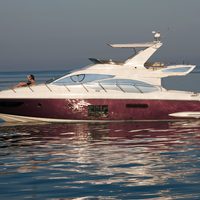
The original Azimut 53, designed by Stefano Righini with interiors by Carlo Galeazzi, carried the classic curved profile of its era. It used a conventional shaft-drive system with either Caterpillar or MAN engines, giving it strong handling and simple upkeep. Inside, the wood tones were richer and the galley stood forward, separating it from the salon. Around sixty-five hulls were built at the Avigliana yard, and these boats now form a valued part of the used market thanks to their robust build and familiar engineering.
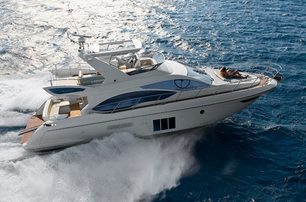
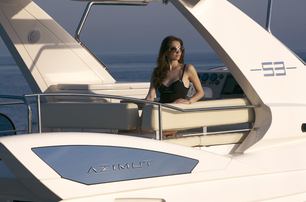
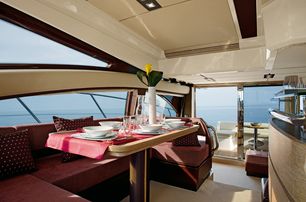
Azimut 53 Fly - Mk2 (2021-Present)
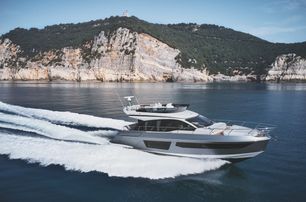
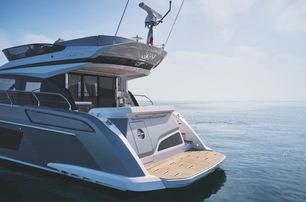
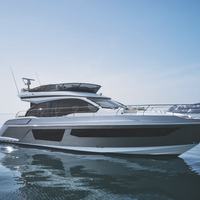
The second generation, known as the Azimut 53 Fly, is a complete redesign rather than a facelift. Alberto Mancini reshaped the hull and superstructure around the Volvo Penta IPS system, creating more beam, higher volume, and a cleaner, more upright profile. The Azimut Style Office reimagined the interior with a galley-aft plan, wide glass, and a bright, open flow from cockpit to salon. Carbon fibre is used in the upper structures to lower weight and keep the yacht stable despite its greater height and glazing. Refinements to insulation and systems since launch have made the later hulls even quieter and more comfortable.
Buying a New vs Used Azimut Fly 53
Whether ordered fresh from the yard or found on the pre-owned market, the Azimut 53 Fly gives buyers two clear paths to ownership. The model’s continued production means both routes share the same core design, build quality, and support network. Understanding how each path works helps buyers match timing, budget, and confidence to their plans on the water.
Buying a New Azimut 53 Fly
The Azimut 53 Fly remains in production at the builder’s Avigliana facility in Italy. Buyers can commission a personalised build through the new yachts route or choose from the stock yachts selection for quicker delivery. Each yacht follows a set engineering platform, but owners still have space to shape the look and feel of their boat through fabrics, woods, and key equipment choices. From slot confirmation to launch, builds typically run over several months, with clear stages and updates along the way.
Production & Build Process
The 53 Fly is built in a steady production series, with each hull infused and assembled to order rather than mass produced. Once a contract is signed, the yard locks in the build slot, assigns a project manager, and provides milestone reports as work progresses. Buyers often visit during fitout to see joinery and systems being installed. Because the hull and engineering are pre-defined, attention focuses on layout flow, finish, and equipment fit. This balance keeps quality consistent while still allowing real personal input.
Layouts & Interior Choices
The layout remains consistent, centred on the galley-aft main deck and a three-cabin lower deck with a full-beam master. Owners can fine-tune the atmosphere through soft furnishings, wood tones, and lighting. The Azimut Style Office offers several finish palettes ranging from pale oak and textured fabrics to darker, more classic trim. Small details, such as fabric texture, countertop stone, and headboard panels, let buyers set a tone that feels either bright and modern or calm and traditional.
Key Options & Upgrades
Options and upgrades allow each yacht to reflect how it will be used. They also influence comfort, handling, and long-term value.
- Factory hardtop with opening sunroof to shade or open the flybridge as needed.
- Seakeeper 9 gyroscopic stabiliser for greater comfort both under way and at anchor.
- Advance Package with upgraded electronics, navigation, and helm displays.
- Hydraulic bathing platform for tender launch and easier water access.
- Teak decking and enhanced air-conditioning for warm-climate cruising.
Most extras can be specified before the build begins, though some soft or electronic items can be added later. Core mechanical and structural upgrades are best chosen at the start to avoid costly retrofit work once the yacht is launched.
Delivery & After-Sales
Before handover, each new yacht undergoes full system checks and sea trials. Azimut’s delivery process includes a familiarisation session with the dealer team to walk through systems and maintenance basics. The new-boat warranty covers the full structure and onboard equipment, with support coordinated through local dealers and the shipyard. Early snagging visits are normal during the first months and are handled directly by the dealer or yard technicians.
Buying a Used Azimut 53 Fly
Pre-owned Azimut 53 Fly yachts often trade alongside new builds, offering buyers a quicker path to ownership and strong value when service records are complete. Because the model remains in production, support from Azimut and Volvo Penta dealers is straightforward, and most parts are shared with current builds. Each used example tells its own story through upkeep, hours, and care, so reading those records with care is the key to buying well.
What to Look For
- Maintenance history: match engine, pod-drive, and generator hours against the manufacturer’s service intervals, confirming that annual haul-outs and pod oil changes were done by an authorised Volvo Penta centre.
- Refit record: check for updates such as new electronics, re-varnished teak, or a retrofitted Seakeeper stabiliser, backed by dated invoices.
- Survey evidence: review hull and system reports from past surveys and ask for oil analysis results on the IPS pods and main engines to confirm clean running.
- Equipment fit: items like the factory hardtop, upgraded air-conditioning, or teak package add comfort and help the yacht hold its value.
Buyers should weigh age and hours against condition. A yacht that has run regularly with full logs and service proof often performs better than one with low hours but long idle periods. Regular use keeps seals, pumps, and systems healthy, especially on pod-driven boats where lubrication and cleanliness matter.
Survey & Sea Trial Priorities
- Include a certified Volvo Penta technician in the pre-purchase inspection to download diagnostic logs and confirm service codes.
- Take oil samples from each pod drive to test for water ingress, a key check for long-term reliability.
- During the sea trial, note joystick response, interceptors, and trim control to ensure smooth and balanced operation.
- Check that all helm electronics, air-conditioning units, and house systems function under load, as small faults can point to deferred maintenance.
The Azimut 53 Fly’s steady design and ongoing production make used examples a secure and proven choice. With full records and a clean survey, buyers can step aboard quickly and enjoy the same quiet ride, light interior, and easy running that define every new 53 Fly built today.
Performance & Engines
The Azimut 53 Fly is built around a planing hull designed for smooth, quiet coastal and island cruising. Its hull lines and propulsion system are tuned for balance and efficiency rather than outright speed, giving the boat a calm motion at typical family cruising pace. The Volvo Penta IPS system pairs well with the yacht’s wide beam and carbon fibre superstructure, keeping the centre of gravity low and trim stable in most conditions.
Engine Options & Specifications
| Specification | Standard Option |
|---|---|
| Engine model | Volvo Penta D11 IPS 950 |
| Power per engine | 725hp (541kW) |
| Installation | Twin engines |
| Total output | 1,450hp (1,082kW) |
| Drive type | IPS pod drives |
| Top speed | 31 knots |
| Cruising speed | 26 to 27 knots |
| Economical range | Approx. 265 to 279 nautical miles at 26 knots |
| Fuel capacity | 2,400 litres (634 US gal) |
| Stabilisers | Seakeeper 9 gyroscopic stabiliser reduces roll at anchor and under way |
Driving an Azimut 53 Fly
On our YachtBuyer test, the yacht reached 31 knots at 2,550 rpm, with a comfortable fast cruise of around 26 knots at 2,200rpm. At this speed, the engines burn roughly 211 litres per hour, giving a range close to 300 nautical miles. The fuel curve stays flat once the boat is on plane, so small increases in speed have little effect on range. At displacement pace, around 1,000rpm, fuel use drops to 36 litres per hour and range extends beyond 560 nautical miles.
The IPS system delivers good low-speed control, and the joystick allows easy docking, though the height of the hardtop gives a small roll effect during sideways manoeuvres. Visibility aft is limited from the flybridge, so most owners add the optional cockpit docking station or camera system for stern-to berthing. Underway, steering is light with a steady turn radius, and the hull stays settled even through crossing wakes. Noise levels remain low across the rev range, aided by sound insulation around the engine room and underwater exhaust outlets.For the full sea-trial data, driving impressions, and performance charts, see the full YachtBuyer review of the Azimut 53 Fly.
Survey Hot Spots
- Pod drive oil sampling to confirm no water ingress and seal condition.
- Inspection of interceptors and trim tabs for marine growth and sensor alignment.
- Verification of software updates and diagnostics within the Volvo IPS control system.
- Check of Seakeeper 9 service logs and firmware versions for stabiliser reliability.
- Inspection of exhaust elbows and insulation for heat wear in confined spaces.
- Fuel tank sender calibration and general condition of accessible hoses and clamps.
Azimut Fly 53 Ownership & Running Costs
Owning an Azimut 53 Fly is straightforward and steady once the yearly rhythm is set. It is designed for owner operation, and most costs are predictable with good planning. Regional rates and cruising style affect totals, but with parts and support widely available, running the yacht is a well-defined process rather than a guesswork exercise.
Annual Budget Breakdown
- Total yearly cost: around 7-10% of the yacht’s current value depending on use and region.
- Fuel: about 25–30% of the annual spend, shaped by cruising hours and speed planning.
- Crew: most yachts run owner-operated, but occasional skipper or deckhand help adds roughly €10,000-€20,000 / $11,000-$22,000 per season.
- Maintenance: 2-3% of value each year for scheduled services, pod inspections, and light yard work.
- Insurance & Dockage: annual insurance near 1-1.5% of hull value, with berthing rates varying widely between Mediterranean, US, and Asian bases.
- Refit reserve: 5-7% of value set aside every five years for paint, teak, and system renewal.
New builds spend less in the first two years due to warranty cover and predictable Volvo Penta service intervals. As yachts age, the workload shifts toward pod maintenance, generator servicing, and occasional cosmetic work. The builder’s long production run and shared parts list with other models keep maintenance simple and cost forecasts reliable.
Fuel cost depends strongly on speed. Many owners cruise around mid-range speeds to balance comfort, range, and burn rate, saving both fuel and engine hours. Seasonal storage or regional moves between the Mediterranean and Caribbean can raise costs, while year-round mooring in one region keeps budgets lower.
Refit Planning & Yard Rhythm
- Paint and fairing: topsides and superstructure every 5-7 years, mainly cosmetic rather than structural.
- Soft furnishings: refresh upholstery and carpets after 5-6 years for a clean, modern feel.
- Systems service: overhaul generators, stabilisers, and air-conditioning on a 5-year cycle.
- Deck care: teak light-sand every 2-3 years, with partial replacement after 8-10.
- Electronics: update software and displays every 4-5 years as new helm systems appear.
Most owners plan these works around survey intervals or warranty expiry. Winter months are often used for minor yard visits, freeing the main season for cruising. Azimut’s factory network and recognised service yards make it easy to plan work and source parts in any major region.
Crewing & Operating a Azimut Fly 53
The Azimut 53 Fly is built for owner operation, and most yachts in service are run by their owners with part-time help for cleaning or line handling. A single crew cabin with its own head is fitted in the transom, giving privacy and easy access to the engine room when extra crew are carried. The latest builds come with modern control systems and monitoring software that keep upkeep light and operation simple for small teams.
Crew Structure
- Owner or skipper: handles navigation, docking, and trip planning, supported by integrated joystick and automatic trim systems.
- Deckhand or steward: assists with mooring, tender work, and guest service during cruising weeks.
- Engineer support: usually hired on a service basis for scheduled maintenance or warranty checks rather than full time.
The helm design makes the yacht easy to run short-handed. The Volvo Penta joystick and interceptors keep control smooth at slow speeds and steady in a beam sea. Visibility from the flybridge and lower helm is clear, and controls are grouped within reach for calm single-crew handling.
Legal and Operational Notes
At 16.78 m / 55 ft the Azimut 53 Fly stays well below heavy regulation thresholds, but owners should still follow the key maritime practices below.
- Local pilotage may be required when entering major commercial ports or narrow channels.
- Anchoring limits apply in protected zones and seagrass fields throughout the Mediterranean.
- Emission rules in EU and US coastal waters affect generator and fuel use at anchor.
- Most marinas can berth this length and beam comfortably, though high-season booking is advised in popular regions.
- Commercial use is possible under small-vessel coding when built or upgraded to meet national standards.
Most owners rely on local agents or their dealer’s service arm for flag, insurance, and port documentation. Azimut’s global network helps coordinate this support, and the quiet, well-laid-out machinery spaces keep running checks simple for any skipper or technician on board.
Insuring & Registering your Azimut Fly 53
Insurance and flag choice shape where and how an Azimut 53 Fly can cruise. Because the model is still in production, new builds enjoy cleaner documentation and wider flag options than older yachts. Both new and used owners benefit from clear records and stable valuations that make cover simple to secure.
- Hull & Machinery: protects the yacht itself, including its structure, machinery, and fixed systems against loss or damage.
- Protection & Indemnity (P&I): covers third-party injury, pollution, and crew liability during private or commercial use.
- Add-ons: extend to tenders, personal watercraft, transport, and storm or loss-of-use protection for cruising interruptions.
Flag Choice and Registry
Most Azimut 53 Fly yachts are privately registered under the owner’s nationality or through recognised offshore registries such as the Cayman Islands, Malta, or the Marshall Islands. These Red Ensign and EU-linked flags are respected worldwide and simplify access to insurance and financing. They also give protection under stable maritime law and allow easier sale or transfer between regions. The model’s size and classification make it eligible for private registration without the heavier survey requirements of large-yacht codes, keeping costs and paperwork light. New builds usually pass through registration quickly with full factory compliance and up-to-date technical manuals already in place.
VAT and Ownership Structure
Within the European Union, buyers taking delivery locally pay VAT at the prevailing national rate, which marks the yacht as VAT-paid and freely usable in EU waters. Non-EU owners often operate under Temporary Admission, which allows cruising in EU waters for up to 18 months without paying VAT, provided the yacht remains privately used. Many owners set up a special-purpose company to hold title, simplifying liability and easing resale later on. The 53 Fly’s ongoing production helps with clear VAT and import documentation, since every new hull is fully traceable through factory records.
Azimut 53 Fly Charter Potential
While most Azimut 53 Fly yachts are privately owned, the model can be coded for small-vessel commercial use under MCA or national standards. Charter coding requires additional safety equipment and annual inspection but allows the yacht to operate legally for limited crewed charters in coastal or island regions.
Azimut Fly 53 Yachts for Sale: Market Prices
The Azimut 53 Fly shows an active resale profile across its two generations, with listings spread across Europe, the United States, and Asia. Values remain steady within the mid-size flybridge class, supported by ongoing production and reliable demand from owner-operators. Current live figures can be reviewed through market listings and price gauges for the latest position.
How the Azimut 53 Fly Trades
The 53 Fly trades with a clear split between its two generations. The earlier shaft-drive Mk1 draws experienced buyers who value traditional mechanics, while the newer IPS-driven Mk2 appeals to modern owners seeking more updated systems. On average, older Mk1 yachts remain on the market longer but sell steadily when service records and refits are well presented. The Mk2 examples move faster, often closing within a single season thanks to limited new-build slots and short waiting times.
Data from YachtBuyer Market Watch and current price gauges shows a consistent mid-range cluster with modest seasonal movement. Condition, specification, and dealer location drive offers more than age. Listings with factory stabilisers, a hardtop, and full electronics packages tend to hold firmer asking levels, while boats with dated interiors or partial refit history see slower negotiation. The broader market picture remains balanced, with buyers responding to well-kept hulls and verifiable upkeep.
Historic Market Overview
The historic price graphs confirm that across the past three years the 53 Fly has followed a gentle cycle. Prices dipped in late 2023, then stabilised through 2024 as trading volumes normalised. The model now sits within a consistent value range, reflecting its ongoing build status and brand strength.
- Historic Prices – All Yachts: show a pattern of short peaks linked to high-option resale listings followed by a steady base line across 2024 and 2025, matching the wider European brokerage recovery.
- Historic Prices – By Generation: Mk1 yachts (2009–2012) show a slow downward drift as age and refit costs shape buyer decisions, while Mk2 hulls (2021–present) hold tighter values with only slight softening tied to option levels and delivery timing.
Rivals to the Azimut Fly 53
Buyers often weigh the Azimut Fly 53 against similar pod-driven cruisers from British and Italian builders, each offering a different take on comfort, layout flow, and handling. For deeper comparisons, see Azimut 53 Fly Rivals and Head-to-Heads.
Lower-Priced Rival – Princess F55
The Princess F55 from Plymouth, United Kingdom, has a traditional engineering route with twin shaft-drive engines on a deep-V hull. That combination produces a reassuring, predictable ride with strong tracking in heavier seas, though it lacks the tight turning radius and low-speed control of the Azimut’s pods. The F55 tends to burn more fuel at comparable speeds, but many experienced owners appreciate the simplicity of shafts and the ready service network that supports them. Performance is linear, and while the helm feels heavier, it gives a sense of direct connection to the water. The Azimut’s IPS system, by contrast, provides quieter running and a more relaxed docking experience, appealing to owner-operators who prefer fingertip control.
Mid-Range Rival – Sunseeker Manhattan 55
The Sunseeker Manhattan 55 matches the Azimut in propulsion philosophy, using the same Volvo Penta IPS setup. The difference lies in how the hull and weight distribution shape the drive experience. The Manhattan feels sportier and more reactive, with slightly faster acceleration and a firmer ride in chop. Its hull carries more deadrise aft, so it slices through head seas but needs more trim adjustment at cruising speed. The Azimut 53 Fly’s broader beam and lighter carbon upper works give it a calmer running angle and greater stability at rest. Both yachts are quiet at the helm, though the Azimut’s underwater exhaust and insulation keep engine noise further aft, particularly in the master cabin. The two trade places on feel: the Sunseeker for those who enjoy a more active helm, the Azimut for those who favour smoothness and balance.
Higher-End Rival – Ferretti Yachts 550
The Ferretti Yachts 550 is the more traditional end of the segment. It runs on twin shaft-drive diesels and a heavier, fuller-bodied hull that favours long, steady passages over quick throttle response. Its extra weight and deeper running angle deliver excellent directional stability but a gentler top speed compared with pod-driven competitors. The Ferretti’s mechanical simplicity and solid engineering suit owners who keep professional crew or prefer proven systems over new technology. Compared to the Azimut’s IPS package, the Ferretti’s layout allows slightly more bilge space and easier mechanical access, but it sacrifices some of the agility and quiet ride that define the 53 Fly. Both share a focus on comfort and refined cruising rather than outright performance, though the Azimut gives a more modern, fuel-efficient take on it.
Working with a Buyer's Broker
A buyer’s broker keeps the whole process steady from the first shortlist to final handover. Their job is to check facts, test assumptions, and make sure that what is promised is what arrives. They guide buyers through both new-build and pre-owned routes, linking design plans, contracts, and surveys into one clear path so decisions stay grounded and timelines realistic.
For a new Azimut 53 Fly, a broker helps secure the build slot, confirm the chosen layout, and interpret the shipyard’s options list so every selection fits the buyer’s use and budget. They read through the yard’s specification sheets, track progress reports, and coordinate inspection points as the yacht moves through lamination, fitout, and sea trial. They also review contracts and flag any term that could affect warranty transfer, delivery timing, or resale. In practice, the broker stands between the buyer and the yard team, translating build language into clear decisions.
In the pre-owned Azimut 53 Fly market, a broker focuses on due diligence. They verify hull identity, ownership, and service records, and review refit invoices and mechanical history. They know how to read a maintenance log, compare engine hours against factory schedules, and judge what upgrades add or hold value. When arranging a survey or sea trial, they coordinate with surveyors and mechanics to test the yacht properly, ensuring that every key system is checked. They then balance condition, refit quality, and market data to guide a fair offer.
During negotiation and closing, the broker manages the bridge between buyer, seller, and legal advisers. They handle escrow, track contract milestones, and make sure paperwork moves smoothly through registration and flagging. After completion, they can help organise crew, mooring, and insurance setup so the yacht is ready to run. Tools such as YachtBuyerPRO and verified sale records give brokers accurate comparisons of build year, engine hours, and refit quality, turning broad market knowledge into clear evidence.
Buy Smarter with YachtBuyer
Every Azimut 53 Fly for sale has its own story. How it has been used, kept, and refitted shapes what it is today. When buyers see those facts early, whether they plan a new order or a pre-owned search, they save time, cut risk, and make choices based on evidence.
YachtBuyer brings verified information into one clear view. We track the live market, link research to each listing, and show side-by-side model comparisons so patterns are easy to read. Build data, options, refit notes, and service history are checked and set out in plain terms to support each decision.
To see the boat in context, explore Video Yacht Tours & Walkthroughs before you step aboard. Good research leads to calm, confident ownership, whether the yacht is fresh from the yard or already cruising.
If you're considering buying the Azimut Fly 53 but want to explore similar yachts in the same style, YachtBuyer also lists every model in the Azimut Fly range for sale. You can also browse all Azimut Yachts for sale to compare sizes, layouts, pricing, and specifications across the full range.
Market Price Insight
For previous generations, a first generation 12-year-old model is available from €626,000.

Used Azimut Fly 53 Yachts for sale
View a wide selection of pre-owned Azimut Fly 53 Yacht for sale in your area, explore detailed information & find the perfect Azimut Fly 53 Yacht for you.
Pre-Owned Azimut Fly 53 Yachts for sale
1 Not for sale to US residents while in US waters
2 Approx Price Conversion
Pictures shown are for illustration purposes only. Actual Yacht may vary due to client options.
LIVE: Used Azimut Fly 53 Yacht Prices
Find out how much a pre-owned Azimut Fly 53 may cost based upon the asking price of all yachts currently for sale globally according to YachtBuyer Market Watch & our sales listings.
Market Price Insight
First generation models (Mk1, 2009 - 2012) are the likely to be the most affordable, there are currently none for sale globally. In contrast, the newest second generation models (Mk2, 2021) are likely to be priced much higher, reflecting their advanced technology, more modern design, and newer construction. There are currently none for sale globally. The arrival of the second generation model has influenced the pricing of first generation yachts, as their updated styling, features and cutting-edge appeal shift buyer preferences, resulting in more competitive pricing for older models. This trend highlights how innovation drives market dynamics for the Fly 53 line.
Interested in New Yacht?
This model is currently still in production and can be ordered new from the factory and customized to meet your own requirements - view layouts and engine options for a New Azimut Fly 53 Yacht
Azimut 53 (Mk1) Price
2009 - 2012
- Average Price -
- Price Range -
- Average Age -
Azimut Fly 53 (Mk2) Price
from 2021
- Average Price -
- Price Range -
- Average Age -
Average asking price according to YachtBuyer data ( yachts available). Prices may vary depending on specification, condition and extras.
Historic Price Comparison
Over the past three years, the Azimut Fly 53, across its two generations, has exhibited price trends shaped by market demand, vessel condition, and features. The first generation models have the longest average time on the market, sitting for about 335 days, suggesting lower demand for the older features, and on average, they end up 13.8% lower than their initial asking price. With an average market duration of 102 days, the second generation models stand out for their shorter time on sale, likely due to their newer features and refreshed design, and on average, they end up 2.22% lower than their initial asking price.
Azimut Fly 53 Yacht Price Trends & Sales Graphs (3-Year Data)
Azimut 53 (Mk1) Prices
2009 - 2012 Discontinued
Azimut Fly 53 (Mk2) Prices
from 2021
Fly 53 Model Overview & Timeline
The first Fly 53 was announced to the press in 2009 and Azimut started development later the same year and the first model rolled off the production line in 2011. The second generation was launched in 2021 and saw its World Debut at Cannes Yachting Festival the following year.
-
-
![Azimut 53]()
- Azimut 53 - Mk1
- 2009 - 2012
- Discontinued
- More
- Length (LOA): 16.7m
- Beam: 4.74m
- Draft: 1.35m full load
- Speed: 33 Knots
- Full Details & Spec
-
-
-
![Azimut Fly 53]()
- Fly 53 - Mk2
- Since 2021
- In Production
- More
- Length (LOA): 16.78m
- Beam: 4.95m
- Draft: 1.41m full load
- Speed: 31 Knots
- Full Details & Spec
-
Azimut Fly 53 Awards


Azimut Fly 53 Reviews
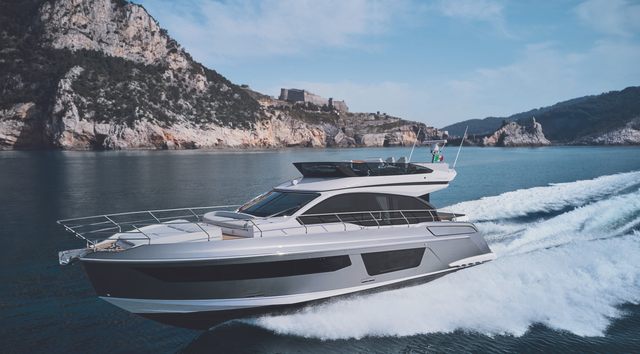
- Handsome design
- Handling and performance
- Well proportioned cabins
- Excellent engine room
To use a boxing analogy, a 50ft flybridge might well be the best pound-for-pound cruiser out there.
More Reviews & Walk-Through Tours
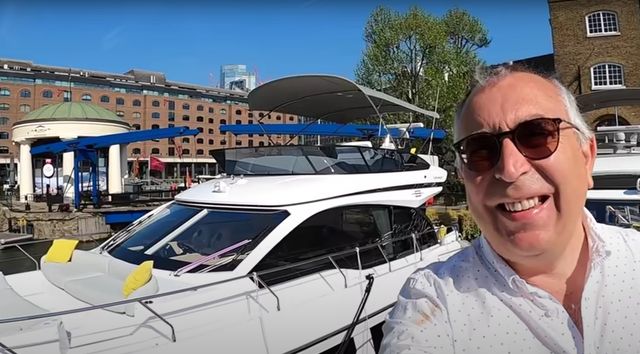
All-New Azimut Fly 53 Review (2022 Edition)

by Aquaholic
Rivals & Head-to-Head
Azimut Fly 53 Rivals
We've hand-picked a series of similar and direct rival yachts help you identify the strengths of the 53 Fly among its peers. These rivals include the British Princess F55 and the Italian Ferretti 550.
Head to Head
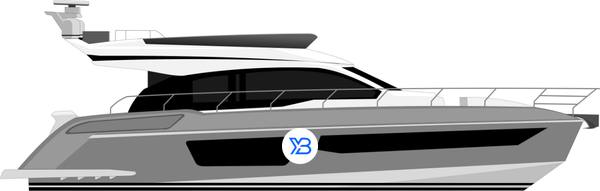
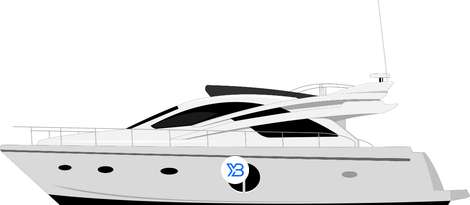
Visually compare everything from performance to layout for these closely matched models from competing builders.
Azimut Fly 53 News
Browse our collection of articles and commentary on the Azimut Fly 53 from Azimut.
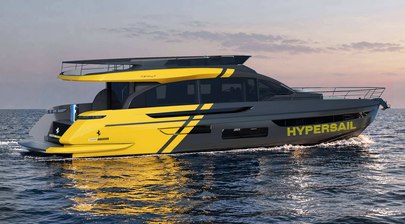
Azimut Named Official Yachting Partner of Ferrari Hypersail
Azimut joins Ferrari Hypersail with a custom 4,000hp Fly 72 developed to support test...
7th October 2026

Next-Gen Azimut Fly 53 Yacht to Make Show Debut at Sydney International On-Water Boat...
Azimut’s award-winning Fly 53 makes its Australian debut at the 2025 Sydney Boat Show...
12th November 2025
Azimut|Benetti Charts 15% Revenue Growth Path Despite Market Headwind
Azimut|Benetti projects €1.5 billion revenues for 2024/25, leveraging innovation, glo...
4th September 2025
Azimut Launches New “Neuron” Digital Yacht Management System
Azimut introduces Neuron, a digital yacht management system offering automation, remo...
2nd September 2025
Venices Boat Show 2025 Opens Doors on Sixth Edition
Venice Boat Show 2025 opens with fanfare and fresh premieres, as YachtBuyer delivers ...
29th May 2025
14th May 2025
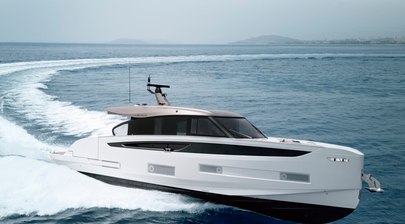
Azimut Set to Impress with Five-Model Lineup at the 2025 Palma International Boat Sho...
Azimut is set to exhibit a diverse five-yacht lineup at the Palma International Boat ...
28th April 2025
16th January 2024
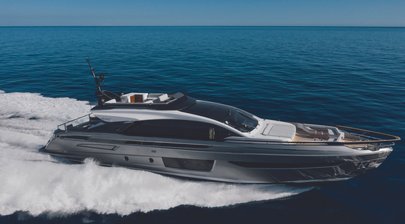
Azimut announces four-piece showcase for upcoming Dubai event
Scheduled to run from 1-5 March 2023, the Dubai-based event is the biggest yachting e...
23rd February 2023

Azimut reveals €1billion order book
Azimut has used the Cannes Yachting Festival to reveal an order book worth in excess ...
22nd September 2021

Four new flybridges not to miss at Cannes
With everything from 3m runabouts to 60m superyachts on show, there is one part of th...
10th August 2021
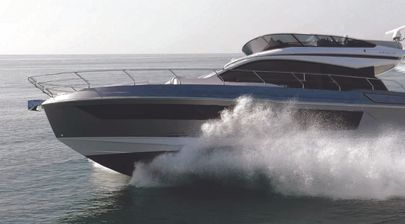
Azimut unveil latest model in exclusive online premiere
Azimut’s latest addition to its impressive fleet of yachts for sale was revealed on F...
15th March 2021
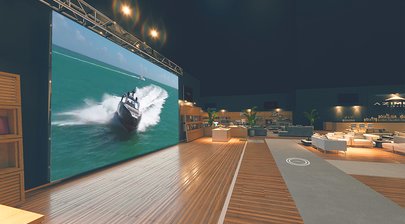
Azimut’s new virtual showroom set to debut this month
As the yachting industry adapts to the changing nature of the world in light of the C...
9th March 2021
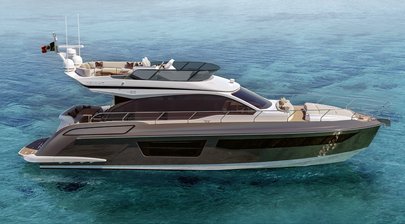
Azimut announces new flybridge model
The Italian yard has announced details of the latest model to join its Flybridge Line...
21st December 2020
Azimut Fly 53 FAQ
A selection of frequently asked questions from buyers
-
There are two generations of the 53 Fly. The older generation measures 16.7m. The current one is slightly larger and measures 16.78m.
-
There are two generations of the 53 Fly. The older generation has a top speed of 33 knots. The current one has a top speed of 31 knots.
-
The first 53 Fly was launched in 2009 and was in production for 3 years. The current generation has been in production since 2021.
-
For previous generations, a first generation 12-year-old model is available from €626,000.
-
Depending on your layout choice, the 53 Fly has two generations and they both have three cabins.
-
The 53 Fly is a Flybridge
-
To start the process of buying your own Azimut Yachts 53 Fly, please get in touch with us or contact a buyer’s broker.
We're committed to making yacht buying easier, so if you can't find what you're looking for just ask.