There is no magic number when it comes to boat size. A good place to start is with what you want from your boat: how many people will usually be aboard, whether you plan to stay overnight, how far you want to go and where the boat will live when you are not using it. Your own experience matters too, especially if you expect to handle the boat with little or no crew.
Length is useful, but it only tells part of the story. Beam, draft, hull type and layout can make two boats of the same length feel very different, with big differences in cabin space, deck area, performance and ease of use.
This guide will help you work through those choices and narrow the search to a size that suits you. YachtBuyer also has detailed data on thousands of boat and yacht models, along with first-hand Boat Tests & Reviews that cover performance, handling and life on board, so you can compare the numbers with how a boat actually works in the real world.
- What Does Boat Size Actually Mean?
- Start With How You Will Use the Boat
- How Many People Will Regularly Be Onboard?
- Where Will You Keep the Boat?
- How Much Boat Do You Want to Handle?
- How Boat Size Affects Ownership Costs
- What Changes as Boats Approach 24 Metres?
- Turn Your Boat Size Into a Shortlist with YachtBuyer
What Does Boat Size Actually Mean?
Boat dimensions tell you different things about how a boat will fit your plans. Length overall is the headline figure, while beam affects width and internal space, and draft can limit where you can go.
Length Overall
Length overall, or LOA, is the measurement most often used to describe boat size. It runs from the furthest point forward to the furthest point aft, although the exact way builders state LOA can vary.
It is a useful starting point when you compare boats and can affect berth choice, marina fees and storage. It tells you less about how much usable space you will get. A wider boat may have larger cabins and more room on deck than a longer but narrower rival.
YachtBuyer’s guide to boat specifications covers LOA, beam, draft and the other main measurements in more detail.
Draft
Draft is the depth of the boat below the waterline. It is worth close attention if you plan to cruise in shallow bays, rivers, inland waterways or marinas with limited depth.
There is no ideal draft for every type of boating. What works for an offshore cruiser may be less useful for an owner who wants access to shallow anchorages, so this measurement needs to fit where you actually plan to use the boat.
Hull Type and Layout
Hull form has a major effect on what a boat can do. A planing sportscruiser, displacement trawler and power catamaran of similar length can have very different speeds, ranges, drafts and amounts of space on board.
Layout can change the picture again. Engine position, number of decks, cabin arrangement and the amount of space given to outside areas all affect what you get from a given LOA.
YachtBuyer’s guide to yacht hull types explains how planing, semi-displacement, displacement and multihull designs differ, and what those differences mean on the water.
Beam
Beam is the width of the boat at its widest point, and it can make a big difference to the amount of space you get for a given length. A wider boat may have broader cabins, more room through the saloon and wider side decks, while a narrower rival of similar LOA may feel quite different inside.
Extra beam can also affect where the boat can be kept. Some marina berths have width limits, and beam becomes especially important if the boat needs to travel by road. It is another reason not to judge size from LOA alone.
Start With How You Will Use the Boat
Start with what you want the boat to do. The same length can serve very different purposes, and those demands will often tell you where extra space is worth having.
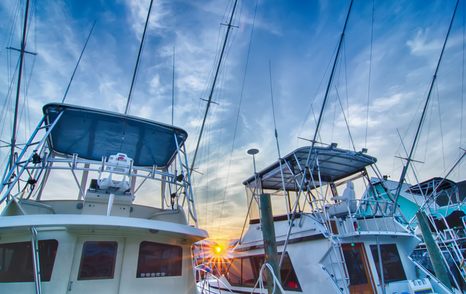
Big-game fishing, for example, calls for a capable hull, enough range for longer trips, a practical working cockpit, storage for tackle and space for the people aboard. Offshore use may also push the search towards a larger boat, but there is no single length that suits every owner. YachtBuyer’s big-game fishing boats for sale are a useful way to see how boats built for this job differ in size and layout.
At the other end of the scale, a family who wants sheltered coastal trips and occasional nights aboard may find that a motor cruiser around 11m (36ft) provides enough space for a couple of cabins, a useful deck area and manageable berthing. The exact size will depend on the layout, but this is a good example of why the intended use matters more than simply buying the largest boat the budget allows.
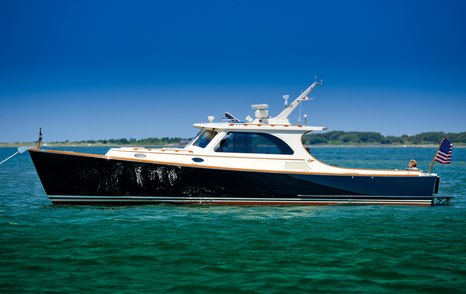
Boat Size by Use: A Rough Guide
These ranges are starting points rather than hard rules. Hull type, beam and layout can make two boats of similar length very different propositions.
| Use | Rough Starting Size | What You Gain | What to Watch |
|---|---|---|---|
| Day boating | Around 4.5-9.1m (15-30ft) | Easy handling, plenty of deck space for the size, lower berth and upkeep costs | Limited cabins, storage and weather protection |
| Weekends away | Around 7-12m (23-39ft) | Proper berths, galley, enclosed heads and more shelter | Cabin layout becomes important; berth and upkeep costs rise |
| Longer cruising | Around 13.7m (45ft)+ | More storage, tankage, living space and onboard systems | More boat to berth and maintain; size alone does not guarantee range |
| Offshore & long-range use | No single ideal size | More room for fuel, stores, equipment and crew as size increases | Hull design, sea-keeping, range and systems matter as much as LOA |
Day Boating
For short trips, the most useful space is often above deck. A couple may want little more than good seating and somewhere to stow bags, while a family or group of friends may put much more value on a large cockpit, sunpads, shade and a proper heads compartment.
The 4.5–9.1m (15–30ft) range from the guide is a useful place to start, but dayboats can be considerably larger. Sportsboats, RIBs, centre consoles and small cruisers can all do the job in very different ways.
Think about the kit you normally take as well. Watersports gear, food, spare clothes and safety equipment soon use up lockers on a small boat. A compact cabin can also be useful even if you never plan to sleep aboard, particularly for changing, children or getting out of poor weather.
If most trips will start and finish on the same day, YachtBuyer’s day boats for sale let you compare new and used boats built around this type of use.
Weekends Away
Once you plan to sleep aboard, the amount of useful space below deck starts to matter much more. A rough 7-12m (23-39ft) range covers many boats aimed at overnight stays and short breaks, although larger boats may suit families or owners who want more privacy.
Look beyond the number of advertised berths, as a convertible saloon may technically sleep two extra people, but that is very different from having a separate cabin with a door. An enclosed heads, a useful galley, fridge space and somewhere to put clothes can matter more after two nights aboard than an extra metre of LOA.
Who comes with you is therefore important. One good cabin may be plenty for a couple. A family may prefer a second cabin or bunks, while two couples will usually place more value on separate sleeping areas and access to the heads without crossing somebody else's cabin.
YachtBuyer’s boats for weekending provide a useful next step once you know how many berths and how much living space you actually need.
Longer Cruising
For longer trips, the boat becomes somewhere you need to live in rather than somewhere you spend the afternoon. This is where extra size starts to earn its keep.
13.7m (45ft)+ is a useful broad marker for longer cruises, but it shouldn't be treated as a minimum. A well-designed smaller cruiser may suit a couple very well, while a family that spends weeks aboard will no doubt want considerably more space.
Storage becomes a major part of the decision. Food, clothes, spare parts, safety gear and equipment all need somewhere to go. Fresh-water and fuel capacity matter more, as can generators, watermakers and larger fridges or freezers.
Comfort changes too. If you expect poor weather or cooler climates, a proper enclosed saloon may be far more useful than a huge open cockpit. Cabin privacy, standing headroom and somewhere comfortable to sit inside become much more important once several days aboard turn into several weeks.
You can compare boats intended for this sort of use through YachtBuyer’s cruising boats for sale.
Offshore & Long-Range Cruising
There is no sensible length at which a boat suddenly becomes an offshore boat. A 45ft boat is not automatically fit for an ocean passage, just as a much larger yacht may have been built mainly for short coastal trips.
Hull design and sea-keeping come first. Then look at range, fuel and fresh-water capacity, navigation and communication equipment, storage, weather protection and the ability to support the people aboard for long periods without relying on a marina.
Redundancy can matter more here too. Owners who plan serious passages may want backup systems, greater access to machinery and the ability to carry more spares. Crew requirements can also change as the boat and the passages become more demanding.
A larger yacht gives you more room for fuel, stores, equipment and accommodation, but size only helps if the underlying design suits the job. YachtBuyer’s oceangoing yachts for sale let you compare yachts selected for extended time at sea rather than simply filtering the market by length.
How Many People Will Regularly Be Onboard?
A boat may sleep six on paper and still feel crowded with six people aboard for a week. At the same time, there is little sense in buying a much larger boat just to provide spare beds for friends who visit once or twice a year.
Start with the people who will use the boat most. Think about how many will normally be aboard during the day, who will sleep aboard and how much privacy everyone will want. YachtBuyer’s guide to guest count and yacht use looks at this in more detail, but the main point is simple: the number of people a boat can carry and the number who can live aboard comfortably are not the same thing.
Couples, Families and Friends
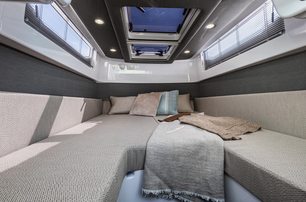
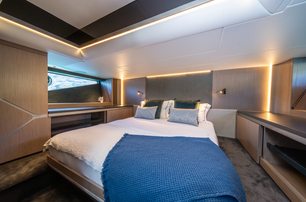
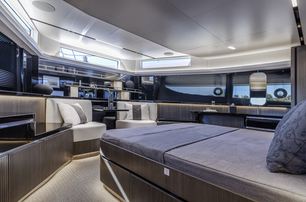
A couple can often get more from one very good cabin than two smaller ones. If guests only stay now and then, a convertible saloon or compact second cabin may be enough, with more space left for the cockpit, saloon or owner’s cabin.
For families, bunks or Pullman berths can work very well for younger children and take up less room than another full-size double cabin. As children get older, a proper cabin, more storage and a door they can close may start to matter much more.
Two couples bring another set of priorities. A boat with a large owner’s cabin and a cramped guest cabin may look fine on the specification sheet, but less so after a few weekends away together. Two more evenly matched cabins, decent headroom and easy access to the heads can matter more than another foot or two of length.
Don't Take the Berth Count at Face Value
“Six berths” can mean six very different places to sleep.
One boat may have two nice double cabins and a saloon conversion. Another may have a double, two bunks and a pair of Pullmans. Both sleep six according to the specification, but they will not suit the same owner.
If you expect to spend more than the odd night aboard, look closely at the beds themselves. Check their length and width, headroom, storage and how easy they are to get in and out of. A saloon berth can be useful for an occasional guest, but less appealing if somebody has to make and strip the bed every day.
It is also worth thinking about what happens to the rest of the boat at night. If the main saloon becomes a bedroom, you lose part of the living space just when somebody may still want somewhere to sit.
Heads and Storage Matter Too
One heads compartment may suit a couple perfectly well. Add children or another couple and after waiting in the queue a few times, a second one can start to feel far more important, especially on longer trips. En-suite access can make a guest cabin much easier to live with too.
Storage can catch buyers out just as easily. Four people need more than four beds. They bring clothes, shoes, towels, food, drinks, chargers, safety kit and all the other things that need somewhere to go.
A boat can feel huge at a show with empty lockers and no bags aboard. After several days away, it may be a very different story. Open the wardrobes, look inside the lockers and think about where everyday kit will actually live. For longer trips, fridge and galley storage deserve the same attention.
Crew Can Change the Size You Need
Professional crew adds another question to the size decision. A skipper who joins you for the day is very different from permanent crew who live aboard.
As yachts get larger, dedicated crew cabins and separate heads become more common. Larger yachts may also have their own crew mess and work areas. These spaces take up room, but they also give owners, guests and crew much more privacy.
There is no fixed length at which every owner suddenly needs crew. How you use the yacht, where you cruise and how much you want to do yourself all matter. YachtBuyer’s guide to whether you need crew for your yacht looks at that decision in more detail.

Where Will You Keep the Boat?
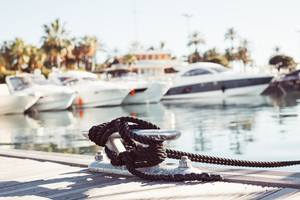
It is easy to fall for a little more length, another cabin or a bigger cockpit, but first make sure you have somewhere sensible to keep the boat. Your home berth can put a firm limit on LOA, beam and draft, and the cost or availability of a larger berth may change the sums altogether.
If you have not yet settled on a home base, YachtBuyer’s Moorings, Berthing and Marinas advice is a useful place to look at the options before the boat dictates the answer.
Check the Berth Before You Buy
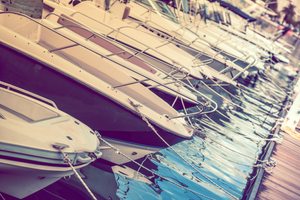
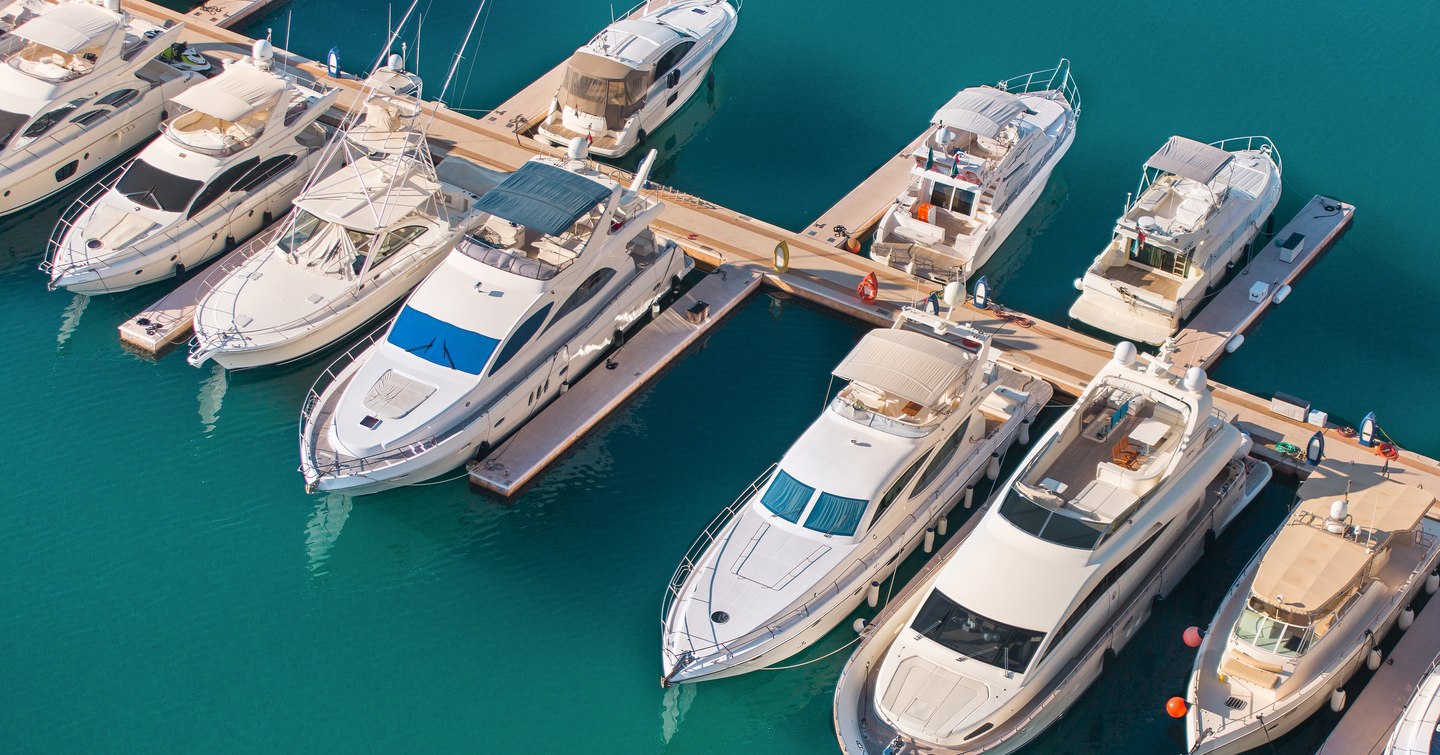
A marina berth that suits a 10m boat will not necessarily stretch to the 12m model you have just fallen in love with. Before you commit, check the maximum LOA and beam the berth can take, along with the water depth and any limits the marina places on overhangs such as bathing platforms or pulpits.
Moving up a relatively small amount in size can sometimes take you into a much smaller pool of suitable berths, particularly in popular marinas. And ask about the jump in cost too. There is little joy in gaining another metre of boat if the berth bill takes a much bigger leap.
Once you know the size that will fit, YachtBuyer’s boats & yachts for sale can be searched by length, which helps cut the market down to boats you can actually keep rather than boats that only work on paper.
Think About the Marina, Not Just the Measurements
A berth can fit perfectly on a plan and still be a pig to use on a windy afternoon. YachtBuyer saw this first-hand during our Sirena 48 review. The first berth was short, with a crosswind that kept catching the yacht’s high bow, and even the professional skipper aboard eventually called it a day. A second berth with more room was no trouble. It was a useful reminder that LOA and beam only tell part of the story: windage, fairway space, the angle of approach and room to turn can matter just as much.
The boat itself can either help or make matters worse. Good visibility from the helm, easy access to the side decks, sensible cleat positions and a helm door close to the pontoon can make a real difference if only one or two people handle the lines. Bow and stern thrusters or joystick control can help too, but they do not make an awkward berth disappear.
Also check what comes with the berth. Shore power, fresh water, fuel access, pump-out facilities and lift-out services may matter far more once you own the boat than they did on the day you first walked around the marina. YachtBuyer’s marina facilities checklist covers the less obvious points worth checking before you sign up.

Marina, Boatyard or Mooring?
A permanent marina berth is not the only answer, and the way you plan to keep the boat can change the size that makes sense.
A marina gives easy access and usually puts water, power and other services close at hand. Dry storage or a boatyard can work well for smaller boats, particularly if you do not need instant access every weekend. A swinging or fore-and-aft mooring can open up other options, although you then need to think about tender access, exposure to weather and how easy it will be to get aboard.
The cheapest or largest option is not automatically the best one. A boat that is ten minutes from home and easy to use may get far more sea time than a bigger one kept somewhere that turns every trip into a military operation.
Can I Transport the Boat Myself?
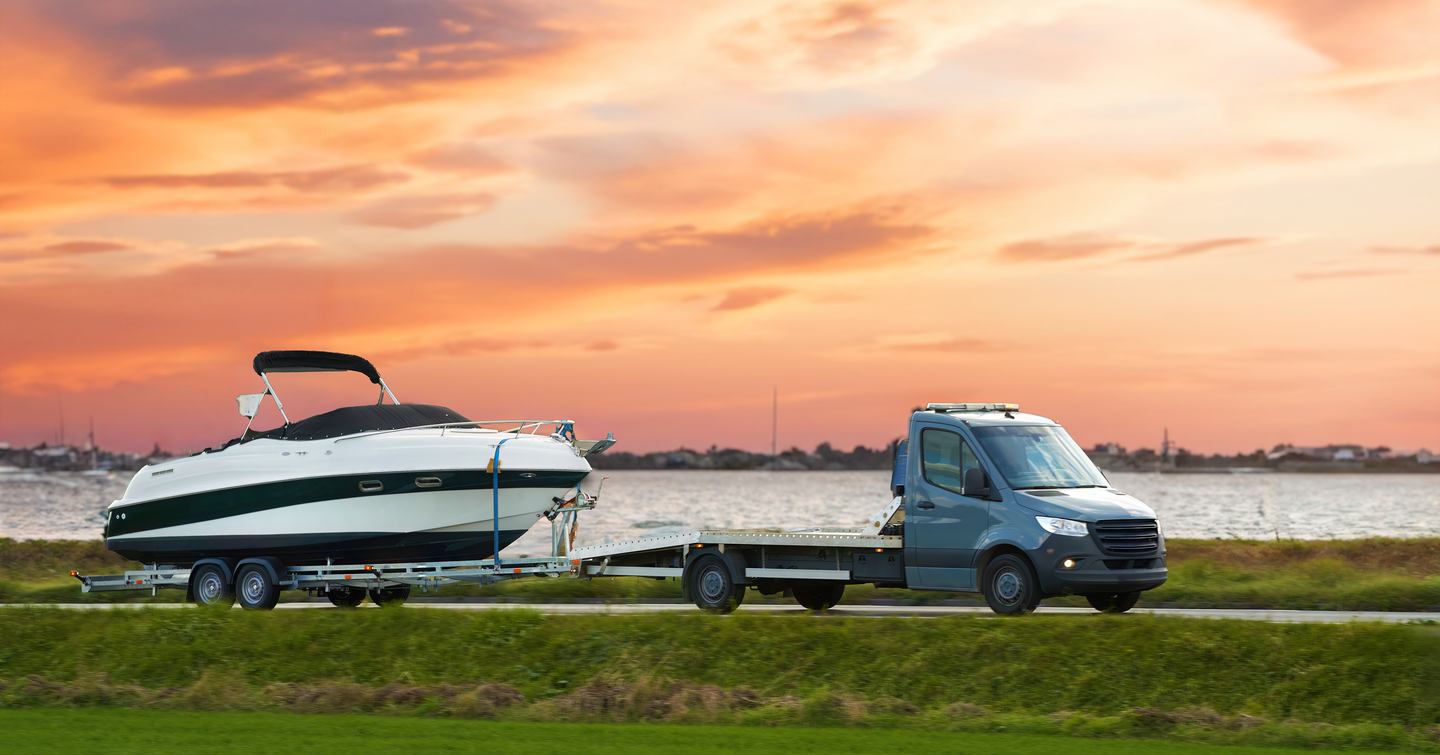
This obviously applies to much smaller boats but for some owners, the ability to put the boat on a trailer is part of the attraction. It can remove the need for a permanent marina berth and open up different lakes, rivers and stretches of coast without a long passage by sea.
If that matters to you, boat length is only one part of the calculation. Check the boat and trailer weight, beam, overall height on the trailer and the towing limit of the vehicle. Think about where the trailer will live and whether your usual launch ramp can cope with the boat as well.
A smaller boat can win hands down here. There may be more space aboard a larger model, but a boat that you can tow, launch and move between cruising grounds may give you far more freedom in practice.
Road limits vary by country, and larger boats may need professional transport rather than a conventional trailer. YachtBuyer’s guide to yacht transportation options covers road transport as well as delivery by crew and specialist yacht transport ships.
The useful question is not simply, “How large a boat can I afford?” It is, “How large a boat can I keep and use without making every trip hard work?” Get that part right and the extra space you buy is far more likely to be space you actually enjoy.
How Much Boat Do You Want to Handle?
There is no fixed length at which a boat suddenly becomes too much to handle. A larger boat with good visibility, easy deck access and useful aids such as thrusters may feel less stressful around a marina than a smaller boat that gives the helmsperson a poor view of the stern.
The more useful question is how much boat you will feel comfortable using regularly.
If you normally boat alone or as a couple, pay close attention to the route from the helm to the lines. Side doors, clear side decks and sensible cleat positions can make a real difference. Windage matters too, especially on taller boats, so think about the sort of berths and conditions you expect to deal with most often.
If you are moving up quite a long way in size, give yourself time to get used to the extra length, weight and momentum. YachtBuyer’s guide to training for yacht owners covers the skills that can help make that step up less daunting.
A sea trial is also a good chance to see how manageable the boat really feels. Do not just run it at cruising speed. Try slow-speed turns, reversing, tight manoeuvres and, if fitted, the thrusters or joystick. Check the view from the helm and how quickly you can get from the controls to the side deck.
YachtBuyer’s guide to what to check on a sea trial explains what to look for before you commit.
The right boat is not the largest one you can physically control. It is the one you can use with confidence in the marinas, waters and conditions you expect to meet.
How Boat Size Affects Ownership Costs
The asking price is only the first number to think about. A larger boat will usually cost more to berth, fuel, service and insure, but those costs do not rise neatly with length.
A slightly bigger boat may have larger engines, more systems, a heavier lift-out weight and a more expensive berth. On the used market, this can catch buyers out: the larger model may not cost much more to buy, but it can cost far more to keep.
YachtBuyer saw exactly this in our £500,000 new vs used yacht test. A new 11.3m (37ft) Beneteau Swift Trawler 37 Fly came to £550,000 as shown, while a used 19.39m (63.62ft) Princess V62 was around £600,000 - nearly 8m (26ft) more boat for not much more money. The catch was the V62’s much bigger engines, berth and running costs.
Berthing, Fuel and Day-to-Day Costs
A little more length can sometimes mean a much bigger berth bill, particularly in busy marinas where larger spaces are scarce. Beam can narrow the choice further, while weight matters if the boat spends time ashore or needs regular lift-outs.
Fuel is less straightforward. Bigger and heavier boats often need more power, but length alone is a poor guide to what they will burn. Hull form, displacement, engines and cruising speed can make two boats of similar size very different at the fuel dock.
Maintenance, Yard Bills and Insurance
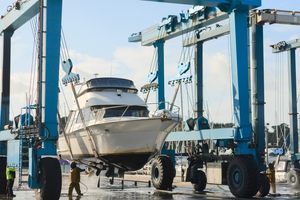
Extra size often brings extra kit. Larger engines, generators, air-conditioning, more batteries, pumps, electronics and other systems all need attention sooner or later. There is more hull to antifoul, more deck to look after and often more weight for the yard to lift.
Age can turn the tables too. A fairly simple new boat may prove easier on the wallet than an older yacht of the same length with a long list of complex systems that have reached the stage where they all want a little love at once.
Insurance belongs in the same calculation. Size and value matter, but so do the boat’s age and condition, where it will cruise, how it will be used and the experience of the skipper. YachtBuyer’s guide to What To Look For When Buying Yacht Insurance explains what insurers look at and what owners should check before they buy cover.
You may also hear the old rule that a yacht costs a fixed percentage of its purchase price to run each year. It is a handy shortcut, but not a very good one. A heavily depreciated yacht can still have big engines, an expensive berth and costly systems. YachtBuyer’s guide to How Much Does a New Yacht Cost to Run explains why that percentage rule can lead buyers well off course.
What Changes as Boats Approach 24 Metres?
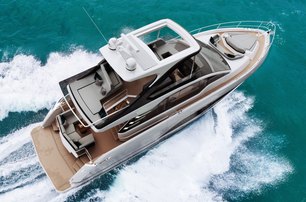
As boats get towards 24m (79ft), the decision starts to involve more than simply gaining another cabin or a bigger flybridge. Berthing, crew, insurance and running costs can all become more involved, while the 24m mark itself has an important place in yacht regulation.
It is not quite as simple as saying that every boat becomes a different proposition the moment its LOA reaches 24m, because the way length is measured can matter. YachtBuyer’s When is a Boat a Yacht? The 24-Meter Distinction explains the threshold, why it matters and the difference between overall length and the measurements used for some regulations.
For a buyer close to this size, it is worth understanding those implications before deciding that a little more boat is automatically better.
Turn Your Boat Size Into a Shortlist with YachtBuyer
By now, you should have more than a target length. You should also have a fair idea of how you will use the boat, who will come with you, where it will live and which parts of the layout matter most.
That turns a search for “a 15m boat” into something much more useful.
A good place to start is YachtBuyer’s boats for sale. You can narrow the choice by size, but you can also look at boats by use, type and hull form. If you know you want a weekender, an oceangoing yacht or a day boat, there is little sense wading through models built for a completely different job.
Once a few boats catch your eye, look at their Rivals on our model pages. These pages help uncover the closest alternatives in the same part of the market, including models you may not have considered.
From there, Head-to-Head and Model Compare tools let you put the boats side by side. This is where it pays to look beyond LOA. Beam, draft, cabin layout, performance and engine choices can quickly reveal why two boats of much the same size may suit very different owners.
Specifications will only take you so far, so YachtBuyer’s Reviews add first-hand detail on how individual boats work in practice, from helm visibility and marina manners to cabin comfort, performance and fuel use where tested.
Price needs the same reality check. YachtBuyer MarketWatch lets you see what is genuinely on the market and removes fake and duplicate sales listings, so you can get a clearer view of current asking prices rather than rely on an old launch price or a single advert.
The aim is to whittle the market down step by step. Start with the way you want to use the boat, narrow it by size, compare the closest models, then check how they perform and what buyers are actually asking for them.